
School Shirt Ideas
Classroom Shirt Ideas Teachers Will Want To Wear
Practical classroom shirt ideas for teachers, grade teams, school events, class groups, gifts, and comfortable everyday wear.
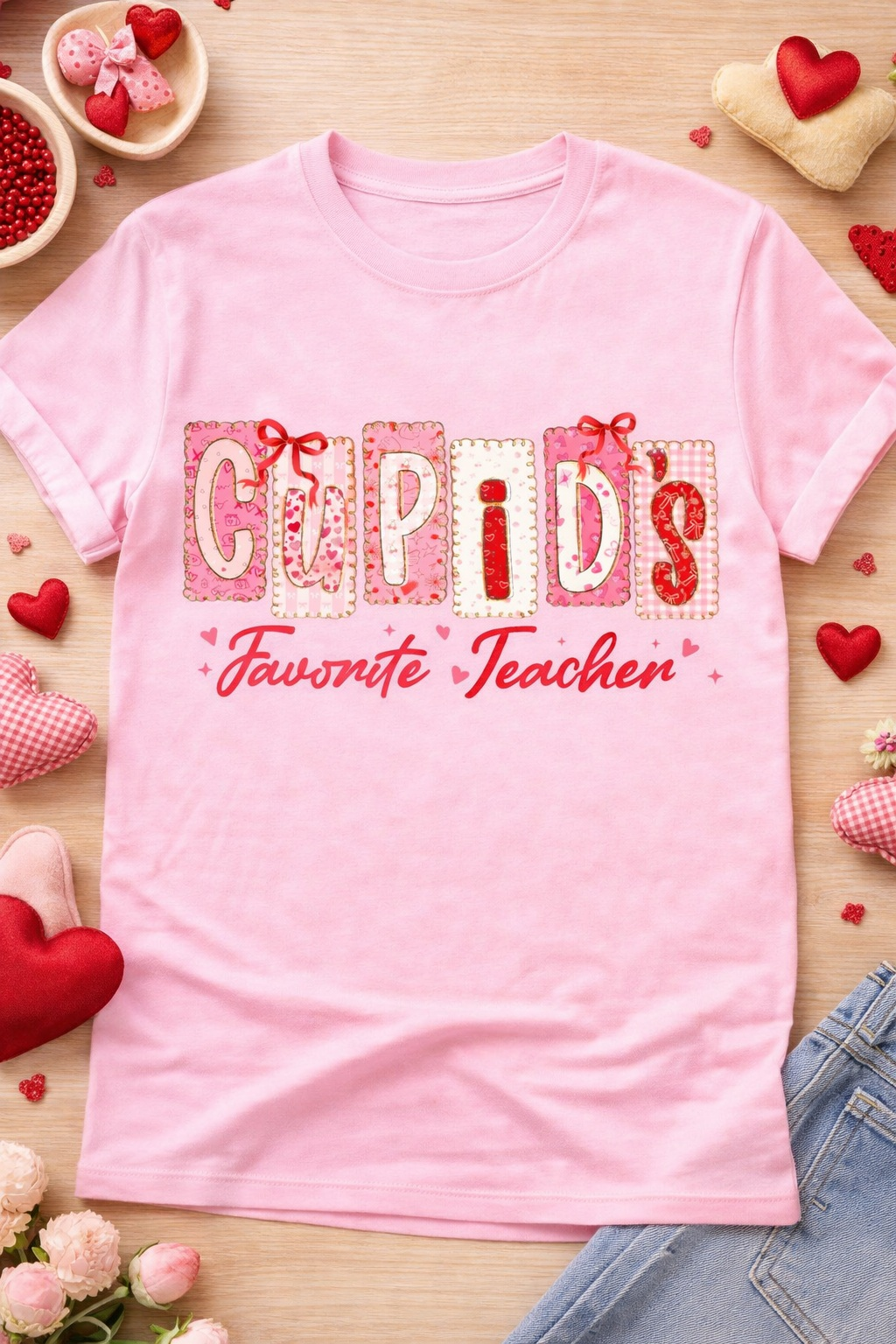
Classroom shirt ideas work best when the shirt feels like part of a real school day, not a costume someone wears once for a photo. A thoughtful classroom tee can make a teacher feel pulled together on a busy morning, help a grade-level team look connected at an event, or turn a small appreciation gift into something personal enough to reach for again.
The trick is not finding the loudest phrase. It is choosing one clear idea that suits the person, the classroom, and the moment. A kindergarten team may want something bright and playful. A middle-school teacher may prefer a clean school-color design. A reading specialist, art teacher, counselor, aide, or office team may want a small reference that feels like their work without putting an entire bulletin board on a shirt.
This guide breaks down classroom shirt ideas that are easy to wear, easy to plan, and useful for one teacher or a whole school team. Use it to narrow the design, choose a practical shirt, and organize the details before the group starts sending sizes.
Start With Where The Shirt Will Be Worn
A classroom shirt has a different job depending on the day. A shirt for the first week of school can be welcoming and recognizable. A grade-level team shirt can create a shared look for open house, field day, family night, or a school celebration. A teacher appreciation shirt should feel personal enough to be a gift, while a staff shirt should work for several roles without making anyone feel like an afterthought.
Write down the moment in one sentence before choosing the artwork. “Our third-grade team needs shirts for family night” gives the design a clear purpose. “This is a gift for a reading teacher who loves bright colors” tells you to make the shirt personal. That sentence keeps the design focused when the group starts offering a dozen unrelated ideas.
Think about who will wear the shirt for a full day. Teachers and staff move, bend, supervise, carry supplies, and meet parents. A wearable classroom shirt is usually more useful than a complicated design that looks good only in a close-up photo. One strong idea, readable lettering, and a comfortable garment are a better starting point than trying to fit every classroom detail on the front.
Choose A Classroom Idea That Feels Personal
The most useful classroom shirt ideas usually come from something specific but familiar. A grade level, subject, classroom phrase, school color, bookish reference, small pencil or apple detail, or simple mascot-approved element can give the shirt personality without making it too narrow to wear after the event. The goal is a design someone recognizes quickly and still likes after the school calendar changes.
For elementary classrooms, playful can work well when it stays clean. Stars, books, crayons, smiley faces, simple shapes, and a grade-level reference can carry the idea. For older students and staff, a varsity-style year, school-color type, subject reference, or short phrase often feels more natural. The best direction is the one that fits the school culture and the people wearing it, not the one with the most clip art.
A shared team shirt does not need to make every person identical. The main design can stay the same while a small detail shifts, such as grade, shirt color, or staff role. That approach keeps the group connected while giving the organizer a design that is still realistic to approve and order.
A few classroom-friendly directions tend to work because they leave room for the people wearing them. A reading team can build around books, bookmarks, or a short reading phrase. A science group might use a simple experiment-inspired line. Art, music, math, special education, counseling, library, and office teams can use one familiar symbol paired with clear type. The design does not have to explain the entire job. It only needs one detail that makes the wearer feel seen.
Avoid choosing an idea solely because it is popular online. A trend can be fun, but a classroom shirt earns repeat wear when it fits the school's tone and the teacher's own style. Ask whether the phrase still makes sense after the event, whether it works for every member of the group, and whether someone would choose it on an ordinary Wednesday. Those three questions are a useful filter before anyone starts debating fonts.

Keep The Design Easy To Read
Classroom shirts are often seen in hallways, on playground duty, at family events, and in group photos. That makes readability more important than tiny decorative details. Pick one main line that can be understood at a glance, then use a small supporting detail only when it adds real meaning. A grade level, school name, or event year may be enough.
Contrast matters just as much as the words. Light ink usually stands out better on a dark shirt, while dark ink needs a lighter shirt. If the artwork includes fine lines or small letters, make the print choice early, not after the shirt color has already been picked. The shirt color charts can help the group compare options before a final design is approved.
If the shirt uses a school name, mascot, logo, or other official mark, get approval before the size list goes out. TheU.S. Patent and Trademark Office explains what a trademark can identify. For a classroom order, the practical step is simple: use approved details early, while the design is still easy to adjust.
Match The Shirt Style To The School Day
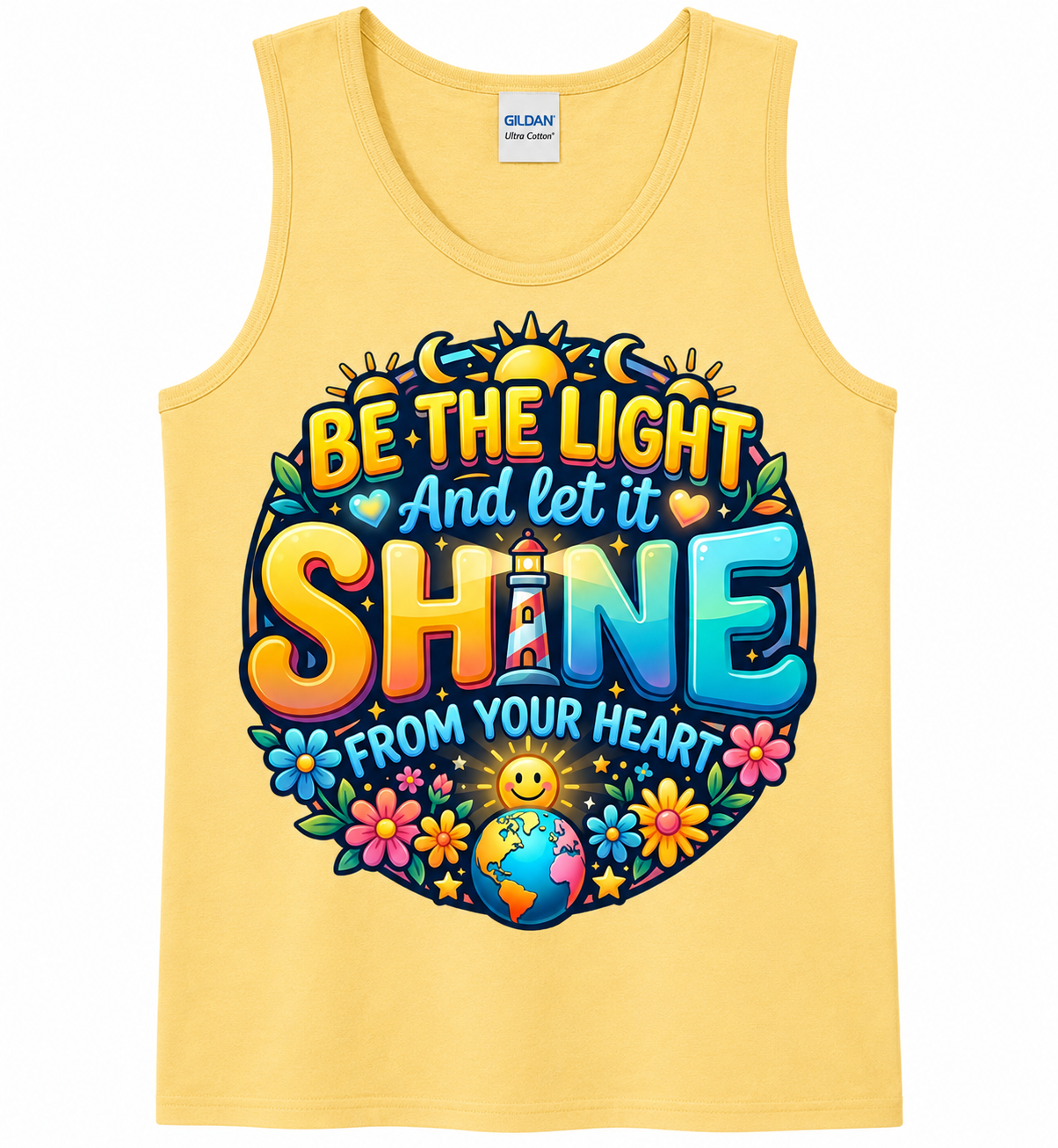
A design can be right and the garment can still be wrong for the people wearing it. Some classroom groups want classic tees because they work across the widest size range. Others may want a sweatshirt for cooler weather, a long sleeve for an outdoor event, or a relaxed option for a staff gift. Start with the group’s practical needs, then choose the shirt style that lets the design work cleanly across those options.
For one teacher, personal style should lead. A teacher who wears bright graphic tees may enjoy a more colorful design, while someone with a simpler wardrobe may prefer school colors and a smaller graphic. For a larger group, offer enough choice to make the order comfortable, but not so much that every size, color, and garment becomes a separate decision. One tee option and one seasonal layer are often plenty.
A team shirt can also support a larger school moment. The school staff shirt ideas guide is useful for a broad staff order, while the teacher shirt ideas guide has more inspiration for individual gifts and classroom-specific designs.
Comfort is part of the design decision, even when it is not the first thing on the inspiration board. Think about recess duty, classroom temperature, hallway supervision, bending over student desks, and whether the shirt will be layered under a cardigan or jacket. A shirt that feels good through a long day is more likely to become a regular favorite, which gives a staff gift or team order more value than something worn only for the photo.
It also helps to decide whether everyone needs the exact same garment or simply the same design. A consistent print can often work across a tee, long sleeve, or sweatshirt, allowing the group to coordinate without asking every person to dress the same. Keep that flexibility limited and intentional. A clear set of options protects the design and makes the size list much easier to manage.
Plan A Team Order Before Collecting Sizes
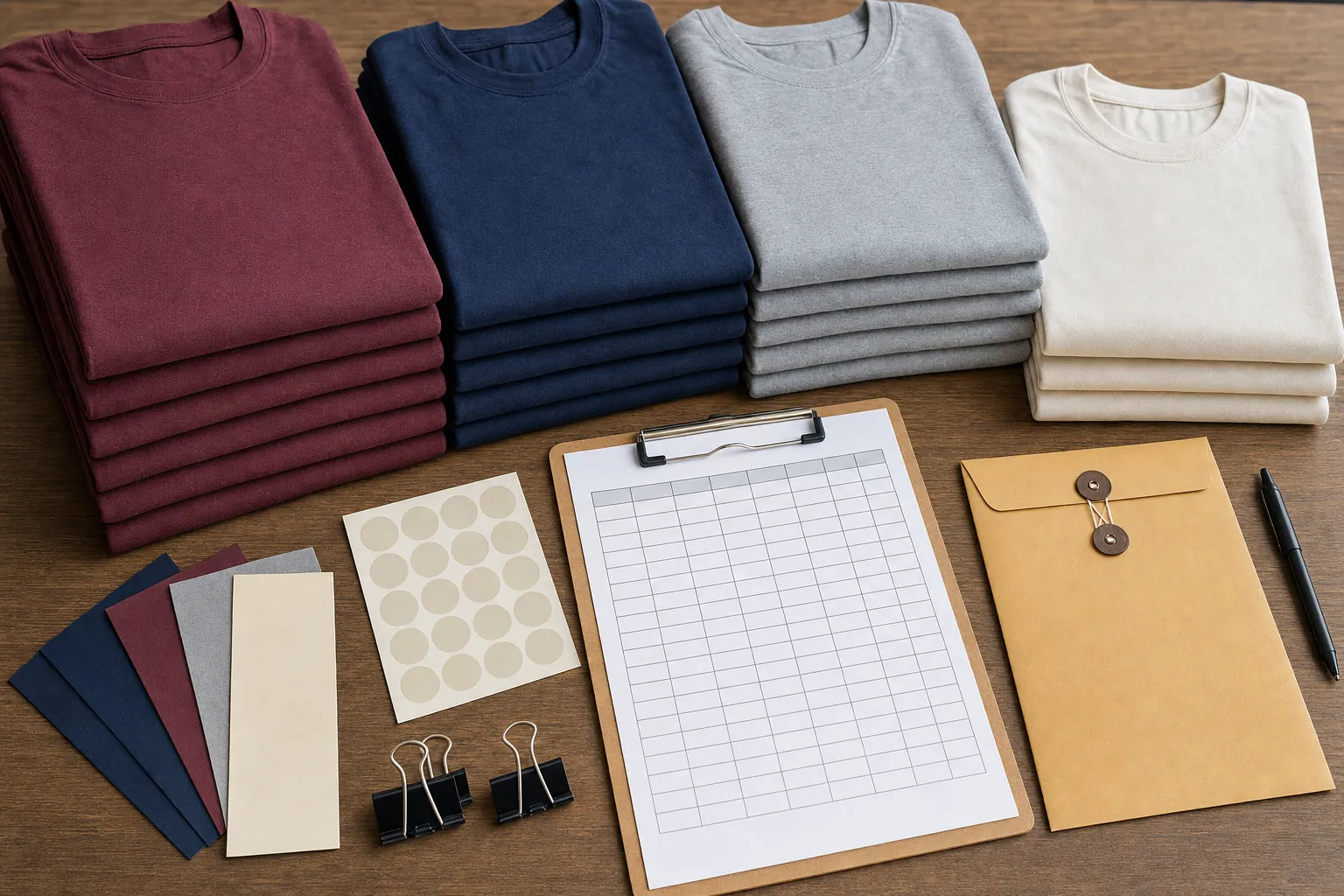
The smoothest classroom shirt orders are decided before the first person sends a size. Set the purpose, final wording, shirt style, color direction, approximate count, date needed, and the one person who can approve changes. Once those decisions are settled, the size list is simple. Without them, every new preference reopens choices the group thought it had already made.
Keep the order form straightforward. For each person, collect name, size, shirt color only when there is more than one, and quantity. Before the order moves forward, check spelling, the approved artwork, total quantities, and the deadline. That small bit of organization matters more than a complicated sign-up system, especially when the group is trying to get shirts ready for a fixed school date.
When the group needs shirts for an event, use the event as the decision filter. A classroom shirt for a school spirit day should coordinate with the larger theme. A field-day shirt needs color and contrast that are easy to spot. A family-night shirt should make staff easy to identify. The school spirit shirt ideas guidecan help when the order is part of a wider school event.
Give the group a real decision deadline before the event deadline. That extra buffer is where spelling corrections, artwork approval, late size changes, and substitute garment choices get handled without pressure. For a grade-level team, one person can collect final responses while another confirms the design details. Clear ownership keeps a simple shirt order from turning into a long email thread where no one is sure which version is final.
When A Custom Classroom Shirt Makes Sense
A ready-made graphic tee can be a great option for an individual teacher who finds a design they already love. A custom classroom shirt makes more sense when the group needs a grade, school color, event, shared phrase, staff role, class year, or approved school detail that belongs to a specific moment. It gives the order a purpose beyond simply choosing a shirt.
For a larger school group, start with the custom school shirts page to think through the people, garment options, colors, and event details. When the group has a working plan, the custom order page gives one place to send the shirt style, sizes, quantity, deadline, and design direction.
A custom order can also solve the awkward middle ground between a single teacher gift and a full-school spirit shirt. Maybe a department wants a small run for testing week, a grade needs matching shirts for a field trip, or a classroom wants a keepsake for the end of the year. Starting with the purpose and a rough quantity makes it easier to choose a direction that feels special without making the order more complicated than it needs to be.
How 2 Sisters Tanks, Teez Helps With Classroom Shirts
2 Sisters Tanks, Teez makes custom apparel for the school days people remember: classroom teams, staff groups, grade-level events, teacher gifts, school spirit days, family nights, field days, and designs that need to feel personal rather than pulled from a generic template. The best starting point is not a finished mockup. It is a clear idea of who will wear the shirts and what the day calls for.
Send the classroom or event, who is included, shirt style, color direction, size range, approximate quantity, deadline, and any approved wording or artwork. That is enough to begin shaping a design that works for the school day and the people wearing it.
Ready To Plan Classroom Shirts?
Send the classroom, shirt style, colors, sizes, quantity, deadline, and any approved details to start the order.
Start A Custom OrderFrequently Asked Questions
What makes a good classroom shirt?
A good classroom shirt fits the person wearing it and the setting they work in. Start with one clear idea, such as a grade level, subject, welcoming phrase, school color, or small classroom reference, then choose a shirt color and fit that will be comfortable through a full school day.
Can classroom shirts work for a whole grade-level team?
Yes. A shared design can work well for a grade-level team when the main artwork stays broad enough for everyone. Use the school name, grade, colors, or a short team phrase, then keep the shirt style and color options manageable for the person collecting the order.
What shirt colors work best in a classroom?
Choose a color that gives the artwork strong contrast and still feels easy to wear. Black, navy, heather gray, cream, and school-color options are common starting points. Check the final print color against the garment before approving the design, especially when it includes small details.
How do I organize a classroom shirt order?
Choose one contact person, settle the design direction, shirt style, color, size range, approximate quantity, and deadline before collecting sizes. Then have one person check the final spelling, artwork, totals, and date needed. A short, clear plan keeps the order from becoming a long chain of changes.
Related Posts

School Fundraiser Shirt Ideas People Want To Buy
Choose a fundraiser shirt people will wear, keep the order simple, and give school supporters a design that feels worth buying.

Pep Rally Shirt Ideas That Bring The Crowd Together
Choose a pep rally shirt that fits the crowd, keeps school spirit easy to see, and gives the group a clear plan for colors, sizes, approval, and timing.

School Staff Shirt Ideas That Build Team Spirit
Plan staff shirts that feel comfortable, clear, and useful for the whole team, from the first day through events, spirit days, and family nights.